

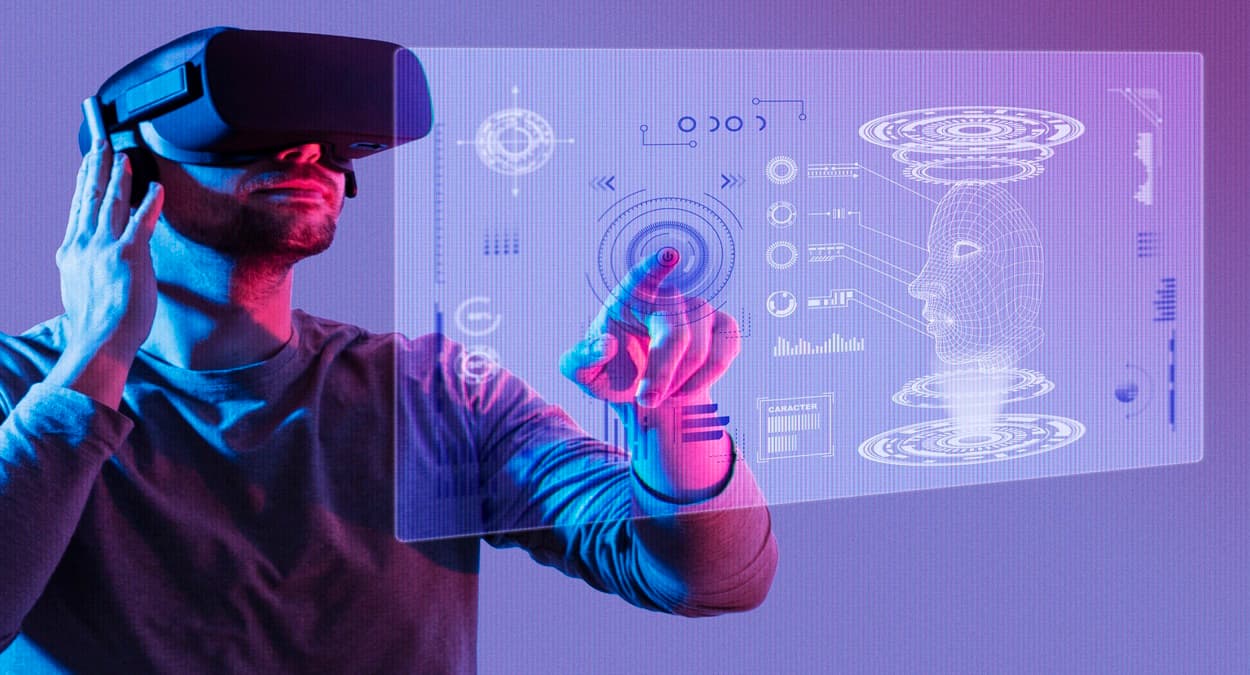
The concept of the metaverse has been around for decades, but it has recently surged into the mainstream consciousness, thanks to advancements in technology, the rise of virtual reality (VR), augmented reality (AR), and the growing influence of tech giants like Meta (formerly Facebook), Microsoft, and Google. The metaverse is no longer a distant sci-fi fantasy; it is rapidly becoming a tangible reality that promises to revolutionize the digital landscape. But what exactly is the metaverse, and how will it transform the way we live, work, and interact online? In this blog, we’ll explore the profound implications of the metaverse and how it will reshape the digital world as we know it.
What is the Metaverse?
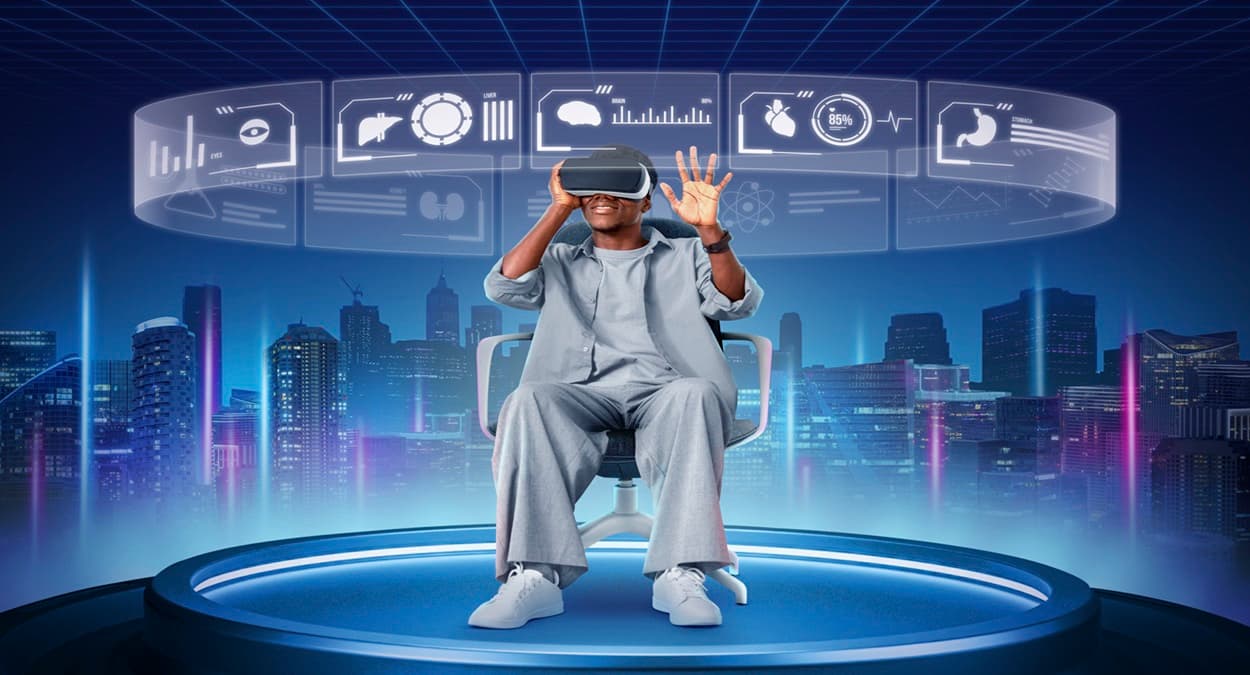
The metaverse is a collective virtual shared space, created by the convergence of virtually enhanced physical reality, augmented reality, and the internet. It is a fully immersive digital universe where users can interact with each other, digital objects, and environments in real-time. Think of it as a 3D internet where you don’t just browse content but live inside it. The metaverse is not owned by any single entity; instead, it is a decentralized network of interconnected virtual worlds, platforms, and experiences.
At its core, the metaverse is about creating a seamless blend of the physical and digital worlds. It’s a place where you can attend virtual concerts, shop in digital stores, collaborate with colleagues in virtual offices, or even own virtual real estate. The possibilities are endless, and the impact on the digital landscape will be profound.
Redefining Social Interactions
One of the most significant ways the metaverse will change the digital landscape is by transforming how we socialize and interact online. Social media platforms like Facebook, Instagram, and Twitter have already revolutionized communication, but the metaverse takes it to a whole new level. Instead of scrolling through feeds or sending text messages, users will be able to meet friends, family, and strangers in immersive virtual environments.
Imagine attending a virtual party where you can see and hear others as if they were right next to you, or joining a virtual book club where you can discuss your favorite novels in a cozy digital library. The metaverse will make online interactions more personal, engaging, and lifelike, bridging the gap between physical and digital socialization.
Revolutionizing Work and Collaboration
The COVID-19 pandemic accelerated the adoption of remote work, and tools like Zoom and Slack became essential for collaboration. However, these platforms have limitations when it comes to replicating the experience of in-person interactions. The metaverse will change that by creating virtual workspaces that mimic real-world offices.
In the metaverse, teams can collaborate in shared virtual environments, using avatars to represent themselves. They can brainstorm ideas on virtual whiteboards, attend meetings in digital conference rooms, and even socialize in virtual break rooms. This will not only enhance productivity but also foster a sense of connection and camaraderie among remote teams.
Moreover, industries like architecture, design, and engineering will benefit from the metaverse’s ability to create immersive 3D models and simulations. For example, architects can walk clients through virtual buildings before they are constructed, and engineers can test prototypes in a virtual environment.
Transforming Education and Learning
The metaverse has the potential to revolutionize education by making learning more interactive, engaging, and accessible. Traditional online learning platforms often lack the interactivity and hands-on experience that physical classrooms offer. The metaverse can change that by creating immersive learning environments where students can explore historical sites, conduct virtual science experiments, or practice skills in a simulated setting.
For instance, medical students can perform virtual surgeries, history students can visit ancient civilizations, and language learners can practice speaking with native speakers in a virtual environment. The metaverse will democratize education by making high-quality learning experiences available to anyone with an internet connection.
Creating New Economic Opportunities
The metaverse will give rise to a new digital economy, complete with its own currencies, marketplaces, and job opportunities. Virtual real estate, digital fashion, and in-game assets are already becoming valuable commodities, and the metaverse will expand these opportunities even further.
For example, virtual real estate in popular metaverse platforms like Decentraland and The Sandbox is being bought and sold for millions of dollars. Digital fashion designers are creating virtual clothing and accessories for avatars, and artists are selling virtual art as NFTs (non-fungible tokens). The metaverse will also create new jobs, such as virtual event planners, avatar designers, and metaverse developers.
Changing the Way We Shop and Consume Content
E-commerce has already transformed the way we shop, but the metaverse will take it to the next level. Instead of browsing products on a 2D website, users will be able to visit virtual stores, try on digital clothing, and interact with products in 3D. For example, you could virtually try on a pair of sneakers or test-drive a car before making a purchase.
Content consumption will also change dramatically. Instead of watching movies or playing games on a screen, users will be able to step inside the content and experience it firsthand. Imagine watching a movie where you are part of the story or playing a game where you are fully immersed in the virtual world.
Enhancing Entertainment and Gaming
Gaming has been a driving force behind the development of the metaverse, and it will continue to play a central role. The metaverse will take gaming to new heights by creating persistent, interconnected worlds where players can explore, socialize, and compete. Games like Fortnite and Roblox are already incorporating metaverse-like elements, and this trend will only grow.
Beyond gaming, the metaverse will transform entertainment as a whole. Virtual concerts, theater performances, and sports events will become commonplace, allowing people to experience live entertainment from the comfort of their homes. Artists and creators will have new ways to connect with their audiences and monetize their work.
Addressing Challenges and Ethical Concerns
While the metaverse offers incredible opportunities, it also raises important challenges and ethical concerns. Issues like data privacy, security, and digital addiction will need to be addressed to ensure that the metaverse is a safe and inclusive space for everyone. There are also concerns about the potential for inequality, as access to the metaverse may be limited by factors like internet connectivity and the cost of VR equipment.
Additionally, the metaverse will blur the line between reality and virtuality, raising questions about identity, ownership, and accountability. For example, who owns the data generated in the metaverse, and how can we prevent misuse? These challenges will require careful consideration and collaboration between governments, tech companies, and users.


The Future of the Metaverse
The metaverse is still in its early stages, and its full potential is yet to be realized. However, it is clear that it will have a profound impact on the digital landscape, transforming how we socialize, work, learn, shop, and entertain ourselves. As the metaverse continues to evolve, it will create new opportunities, challenges, and possibilities that we can only begin to imagine.
The key to unlocking the metaverse’s potential lies in collaboration and innovation. By working together, we can build a metaverse that is inclusive, ethical, and beneficial for all. The digital landscape is about to undergo a seismic shift, and the metaverse will be at the forefront of this transformation. Are you ready to step into the future?
Conclusion
The metaverse is not just a new technology; it is a paradigm shift that will redefine the digital landscape. From social interactions and work to education and entertainment, the metaverse will touch every aspect of our lives. While there are challenges to overcome, the opportunities are immense. As we stand on the brink of this new digital frontier, one thing is certain: the metaverse will change the way we experience the world, both online and offline. The future is virtual, and it’s closer than you think.