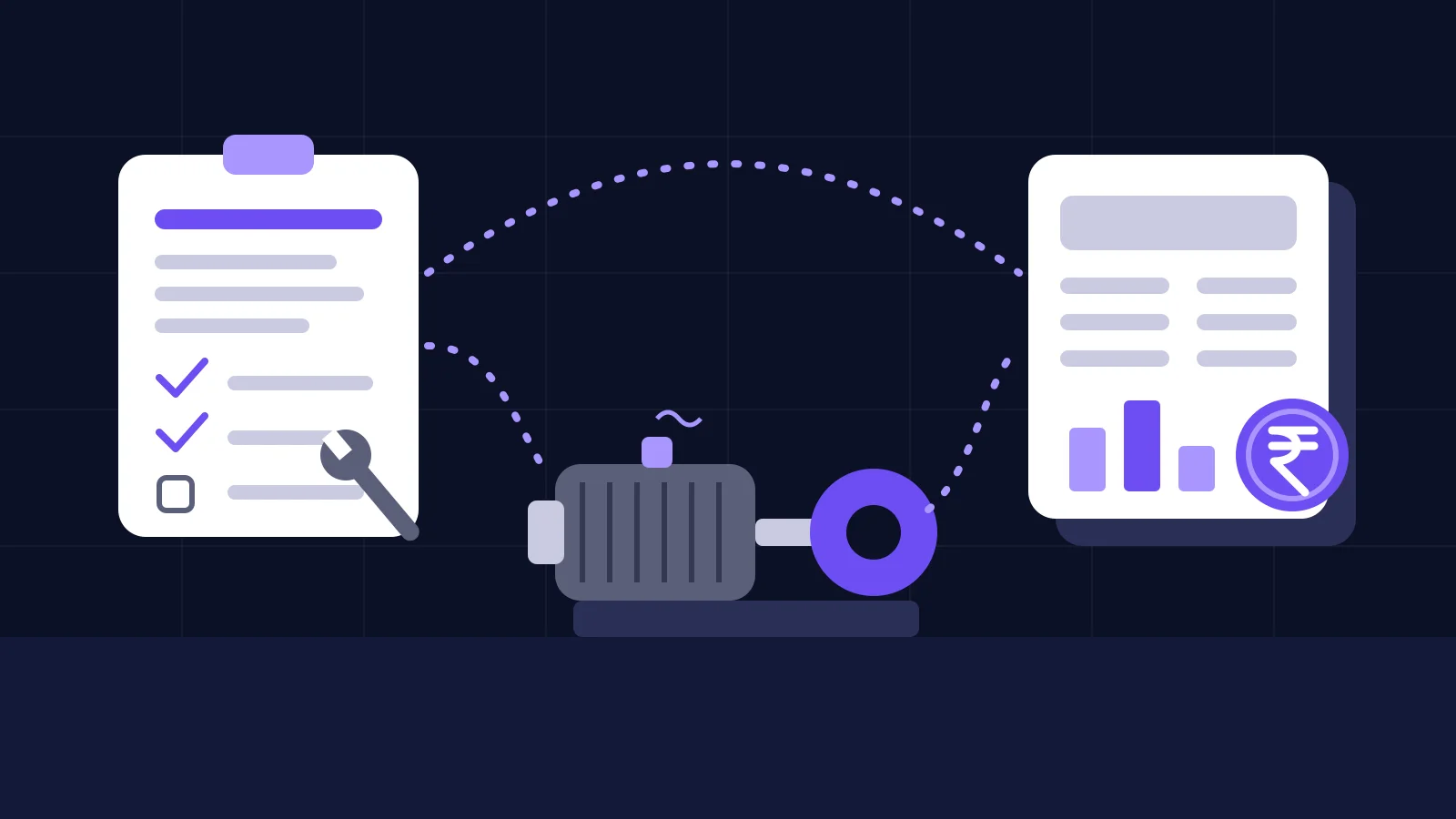



"Just connect the machines to the ERP" hides a stack of very different technologies. A PLC controls a machine, a SCADA system supervises many of them, and an IoT gateway is often what actually carries that data up to software like an ERP or a monitoring platform. Confusing the three is why integration projects stall, so here's what each layer really does.
PLC: The Machine's Controller
A Programmable Logic Controller is the ruggedized computer that runs a machine or process in real time. It reads sensors and drives outputs (motors, valves, relays) on a millisecond loop. It's built for control and reliability, not for talking to business software.
- Deterministic, real-time control of a single machine or cell.
- Holds live process values (temperatures, speeds, states) you may want.
SCADA: The Supervisor
Supervisory Control and Data Acquisition sits above the PLCs. It collects data from many controllers, visualizes the plant on operator screens, logs history, and raises alarms. SCADA is where a human watches and steers the process.
- Aggregates and historizes data across many PLCs.
- Often already holds the tags an ERP or monitoring tool wants to read.
IoT Gateway: The Bridge to IT
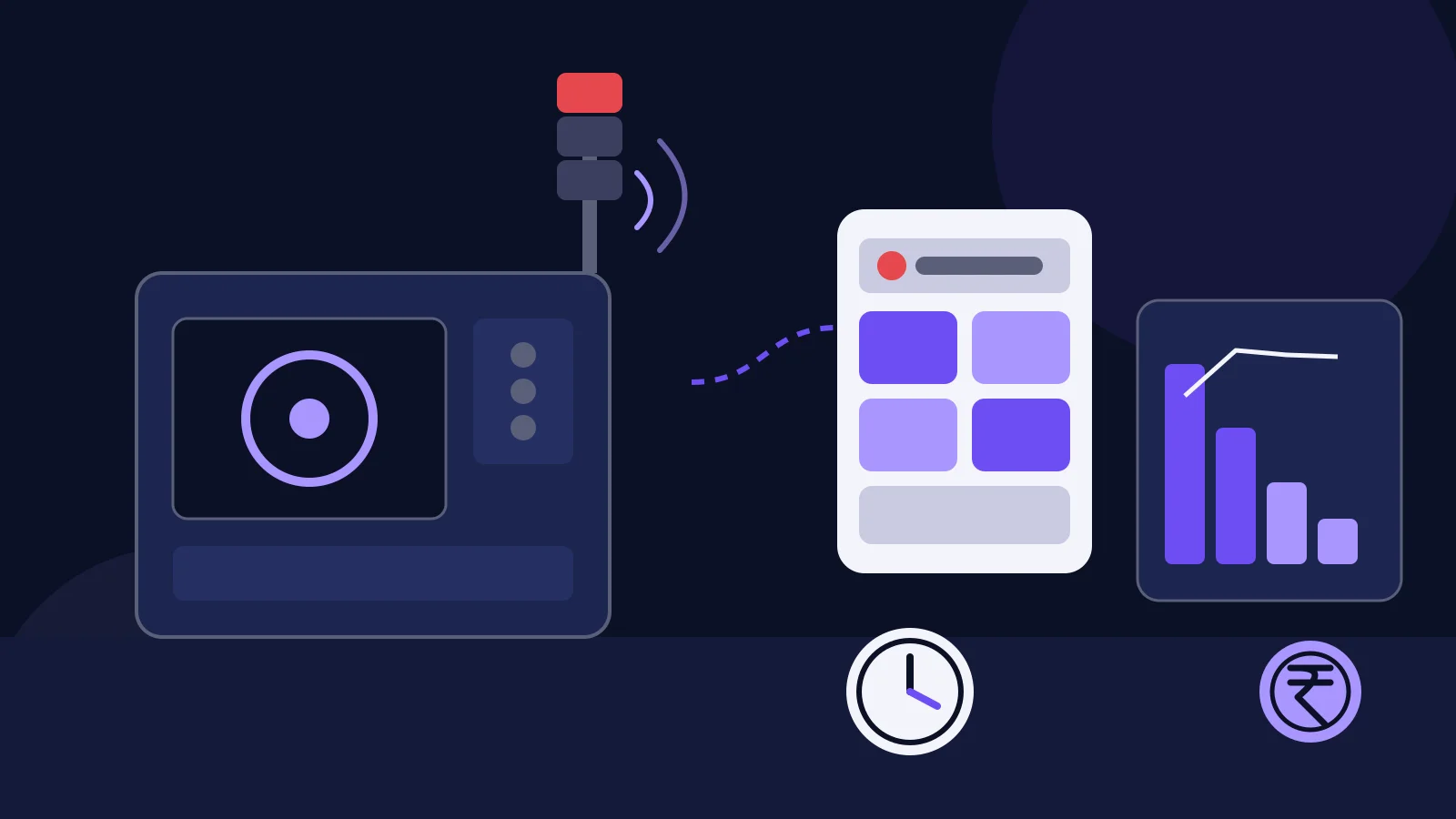
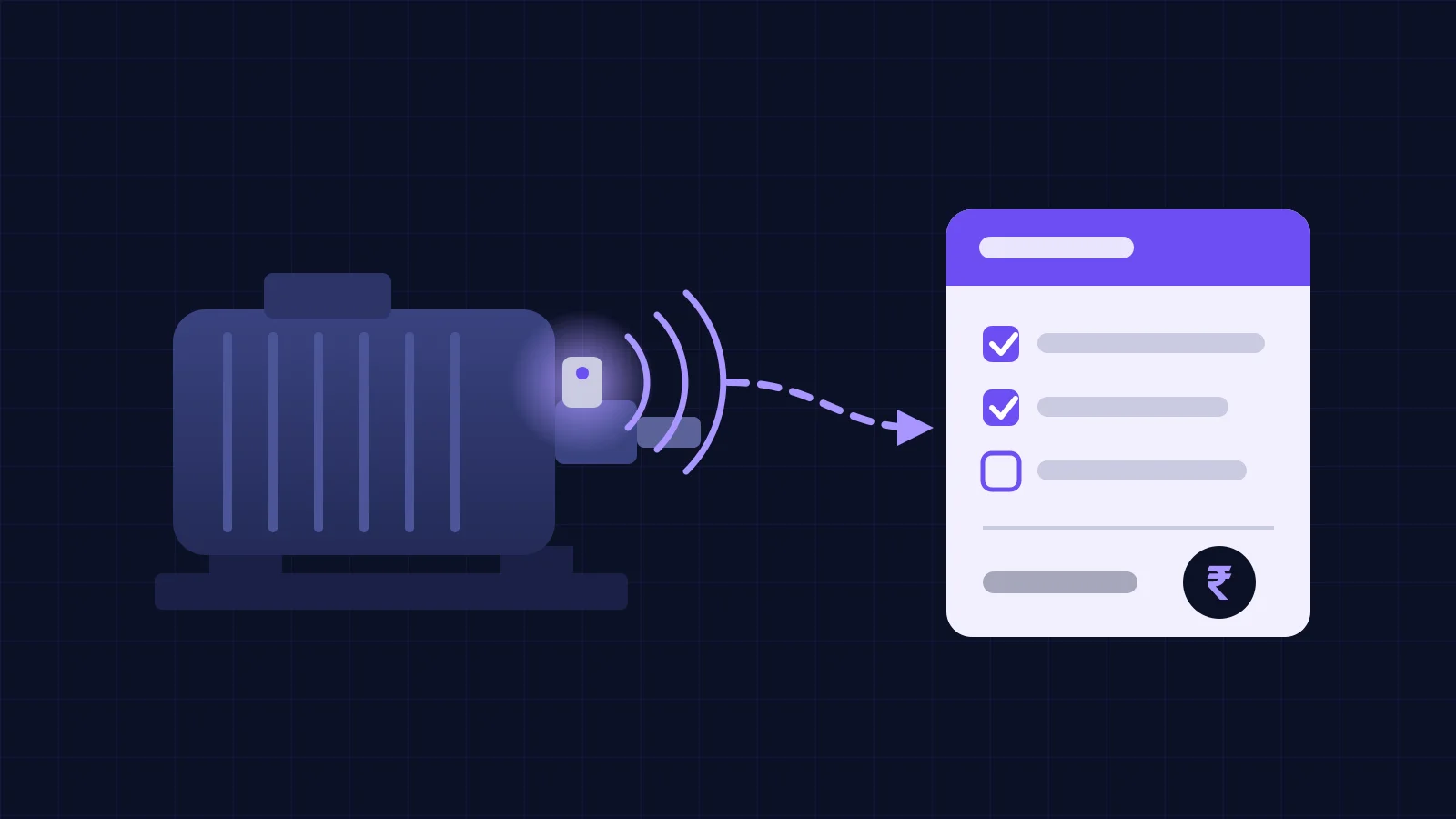
An IoT (or edge) gateway is the translator between the plant's operational technology (OT) and your business IT. It speaks industrial protocols downward (Modbus, OPC-UA, MQTT) and modern APIs upward, doing light processing at the edge before sending data to the cloud or your ERP. What the ERP should do with a machine alert once it arrives is a separate design question, covered in our guide to turning condition-monitoring alerts into ERP work orders.
- Converts industrial protocols into something software can consume.
- Can add sensors directly where no PLC/SCADA data exists, which is key for retrofits.
So What Feeds the ERP?
There isn't one answer. It depends on what you already have:
- You have SCADA: the cleanest path is usually to read the tags you need from SCADA (or its historian) via a gateway or OPC-UA.
- You have PLCs but no SCADA: a gateway reads the PLCs directly and forwards the values.
- You have neither on the asset: add sensors on a gateway. This is exactly the retrofit path for older machines.
How Vexron and ZapNexa Connect
Vexron is designed to take data from wherever it already lives: existing sensors, or PLCs over Modbus, Siemens S7 and OPC-UA through its edge gateway. It doesn't demand a specific stack, which is what makes it practical on brownfield plants. On the ERP side, ZapNexa takes weights straight from the weighbridge, so raw-material inflow is recorded without re-keying. If you're mapping this out, our Industrial IoT service does exactly this integration work.
Not sure what your plant already exposes?
Tell us what controllers and SCADA you run, and we'll map the cleanest path from the machines to your software.
Industrial IoTTalk to our team