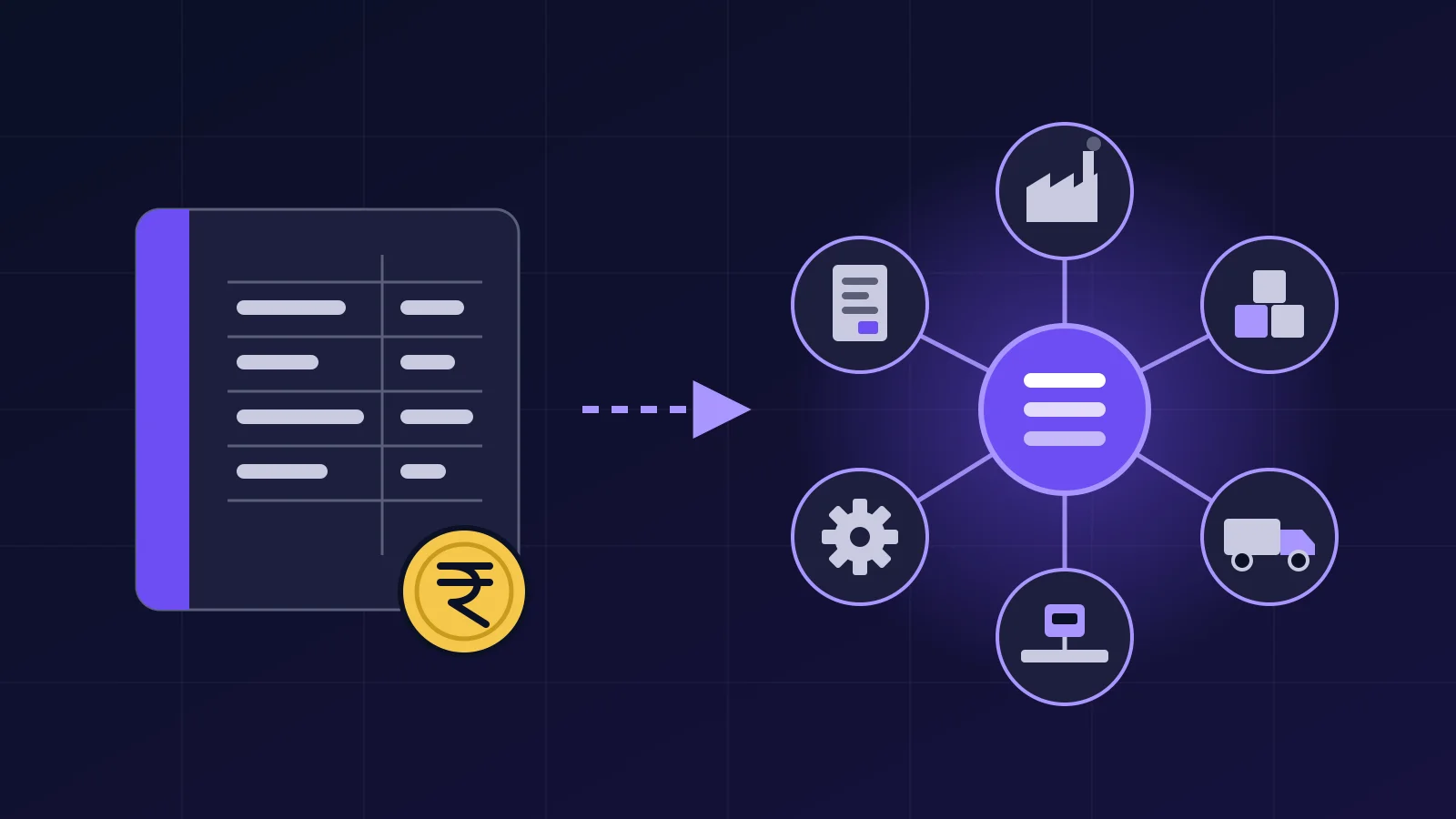


A tool that works fine for one plant often falls apart the moment you open a second one. Separate logins, separate spreadsheets, and someone manually reconciling two sets of numbers at month end. Multi-plant ERP exists specifically to remove that seam.
Why Single-Plant Tools Break at Plant Two
Most operations start with tools sized for one location: a spreadsheet, a basic accounting package, maybe a standalone inventory tool. That works until a second plant, warehouse or branch enters the picture, at which point you're maintaining two (or more) parallel sets of records with no shared view. Getting a consolidated answer to "how much stock do we have across both sites?" turns into a phone call and a wait.
What Multi-Plant Operations Actually Need
- Consolidated finance and accounts: a roll-up view across sites without manually merging spreadsheets at close.
- Inter-branch transfers that are tracked as they happen, not reconstructed after the fact from delivery notes.
- Role-based access per site, so a plant manager sees their own operation clearly while leadership sees everything.
- Supply-chain visibility across sites: knowing what's available at the other plant before placing a fresh purchase order.
Industry-Specific Complexity
Heavy industry adds requirements a generic multi-site ERP rarely covers out of the box:
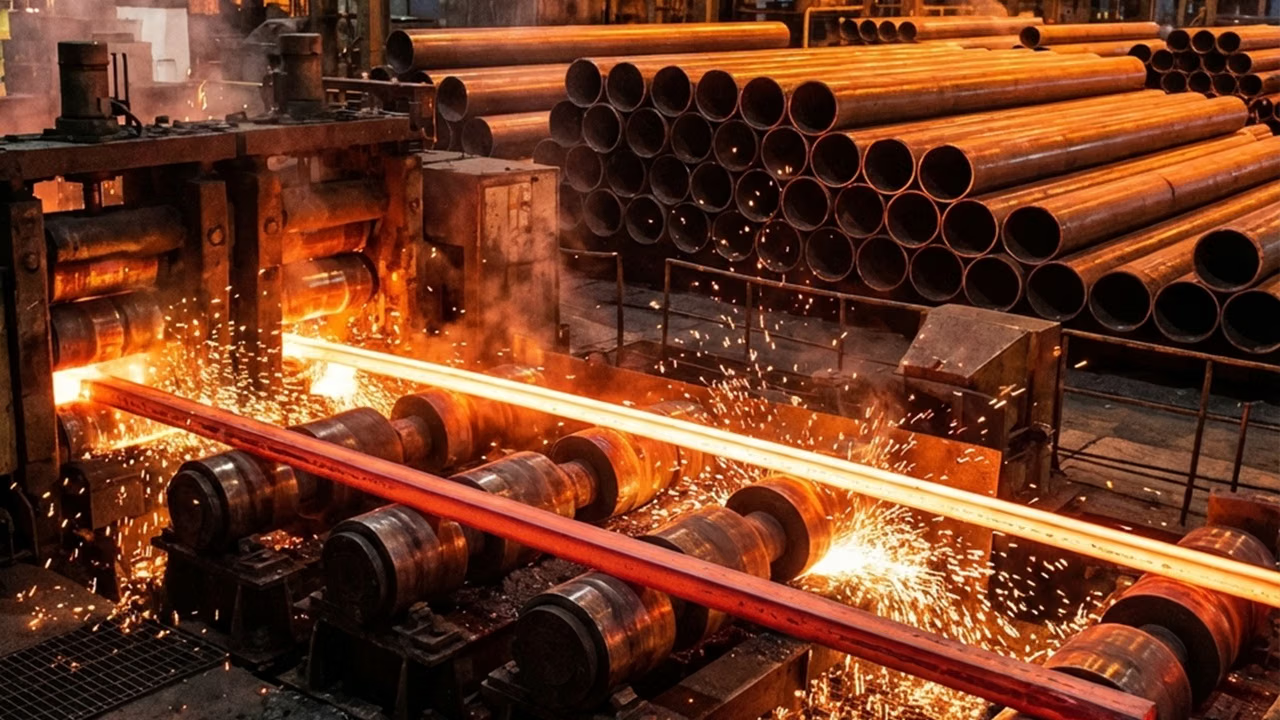
- Steel & heavy industries: blast furnace tracking, billet yield, weighbridge integration and coke consumption analytics need to sit in the same system as finance, not a bolt-on.
- Cement and process manufacturing: raw material batching and production scheduling need to reconcile against inventory in real time, across every site running the process.
- Mining and trading operations: stock replenishment and multi-outlet inventory management need a single view even when material moves between locations constantly.
When no product covers these well, the choice is between configuring a platform and building your own. Our guide to building vs buying an ERP sets out when each one pays.
One System, Many Sites
This is the specific problem ZapNexa is built around. It is not a single-plant tool stretched to cover more locations, but a platform designed from the start for organisations running more than one site. Whether that's two warehouses or a national network of plants, the goal is the same: one system, one set of numbers, regardless of how many locations are feeding into it.
Running more than one site?
See how ZapNexa handles multi-plant and multi-branch operations.
Explore ZapNexa