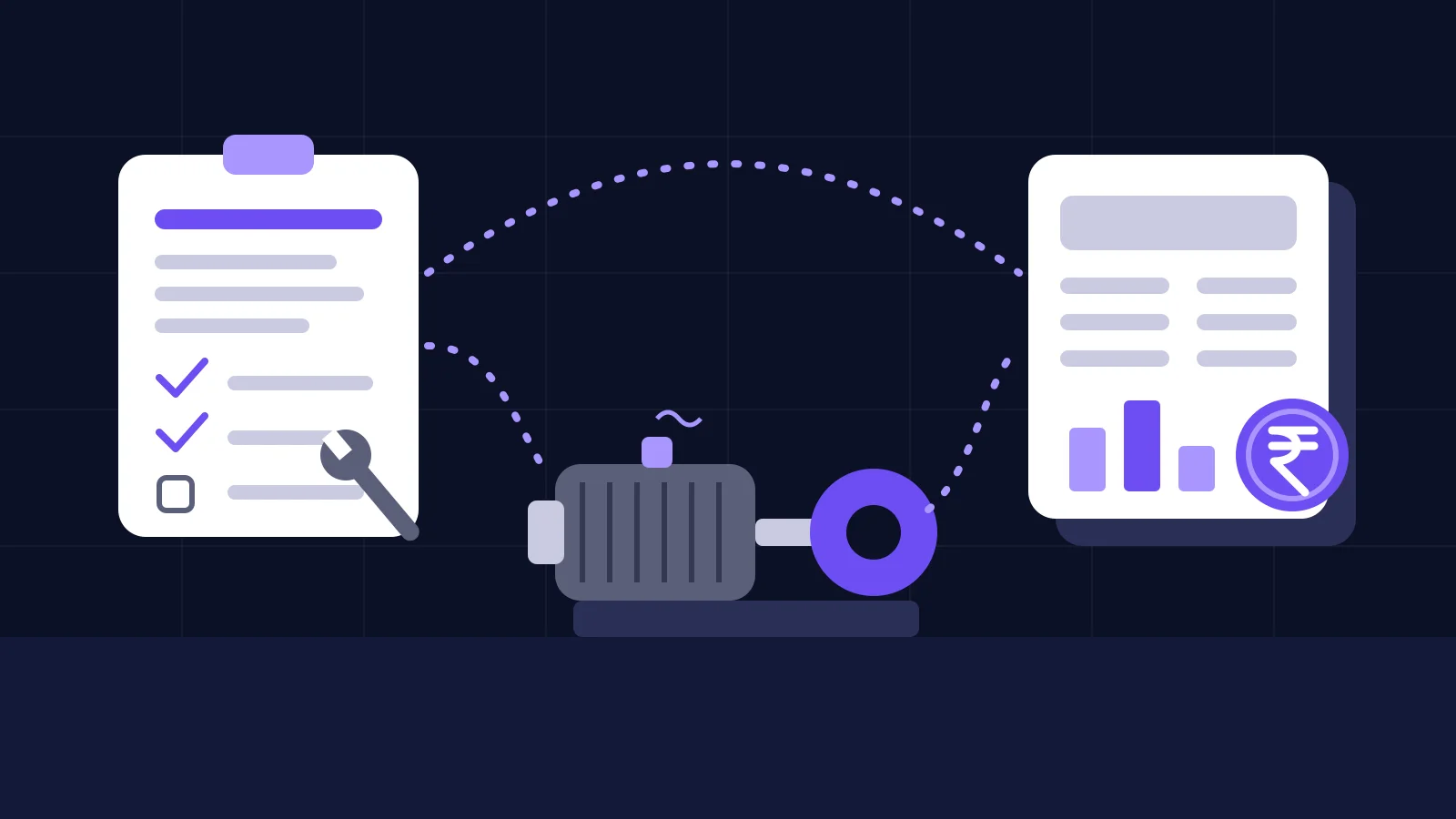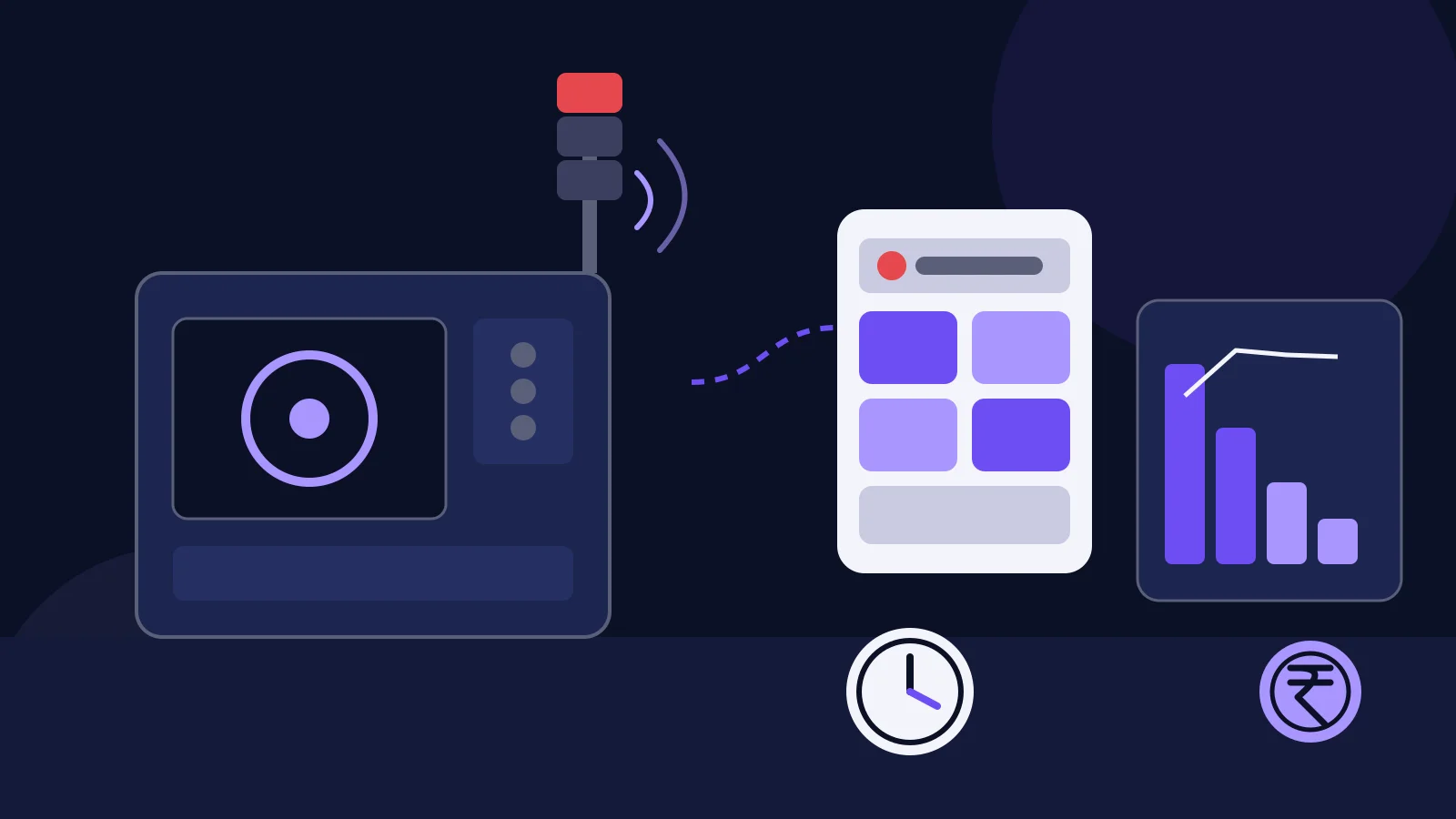


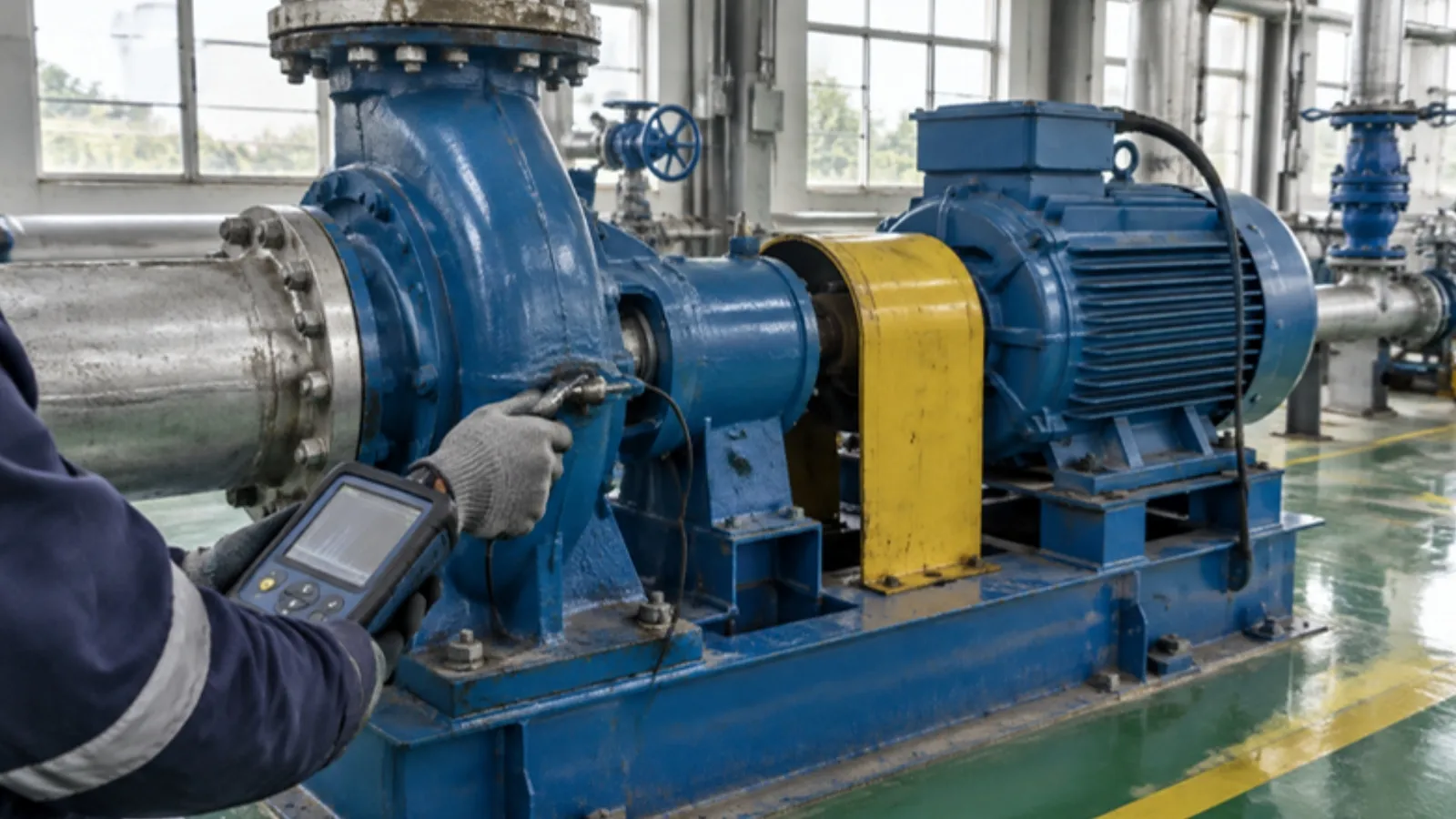
The technology behind predictive maintenance is not the reason most pilots quietly die. The sensors work, the models detect faults, the dashboards light up. What kills pilots is scope: the wrong assets, no baseline to measure against, and no agreement on what "success" even means before anyone switches it on. Here's how plants that get real value from a pilot set it up differently.
Failure 1: Picking the Wrong Assets to Monitor
The most common mistake is starting with whatever machine is easiest to reach, or worse, trying to instrument the whole plant at once. A pilot has to prove value fast, and value only shows up where a failure actually hurts.
- Instrumenting low-criticality machines means even a perfect catch saves almost nothing. There's no ROI story to tell afterward.
- Trying to cover everything at once spreads attention thin and buries the real signal in noise from assets nobody cares about.
- Pick 5 to 15 assets where an unplanned stop is genuinely expensive: main drives, critical fans and pumps, compressors, the machine that stops the whole line when it goes down. Other machines can stay on a fixed service schedule. Our guide to predictive vs preventive maintenance explains how to sort them.
Failure 2: No Baseline, So No Proof
If you can't say how many unplanned failures those assets had in the year before the pilot, you can't prove the pilot changed anything. This is the single most common reason a technically successful pilot fails to win budget for a rollout.
- Record the last 12 months of failures, downtime hours and emergency repairs for the pilot assets before you start.
- Agree on the metric up front (catches made, downtime avoided, or a cleaner planned-vs-unplanned ratio) and write it down.
Failure 3: Alerts Nobody Owns
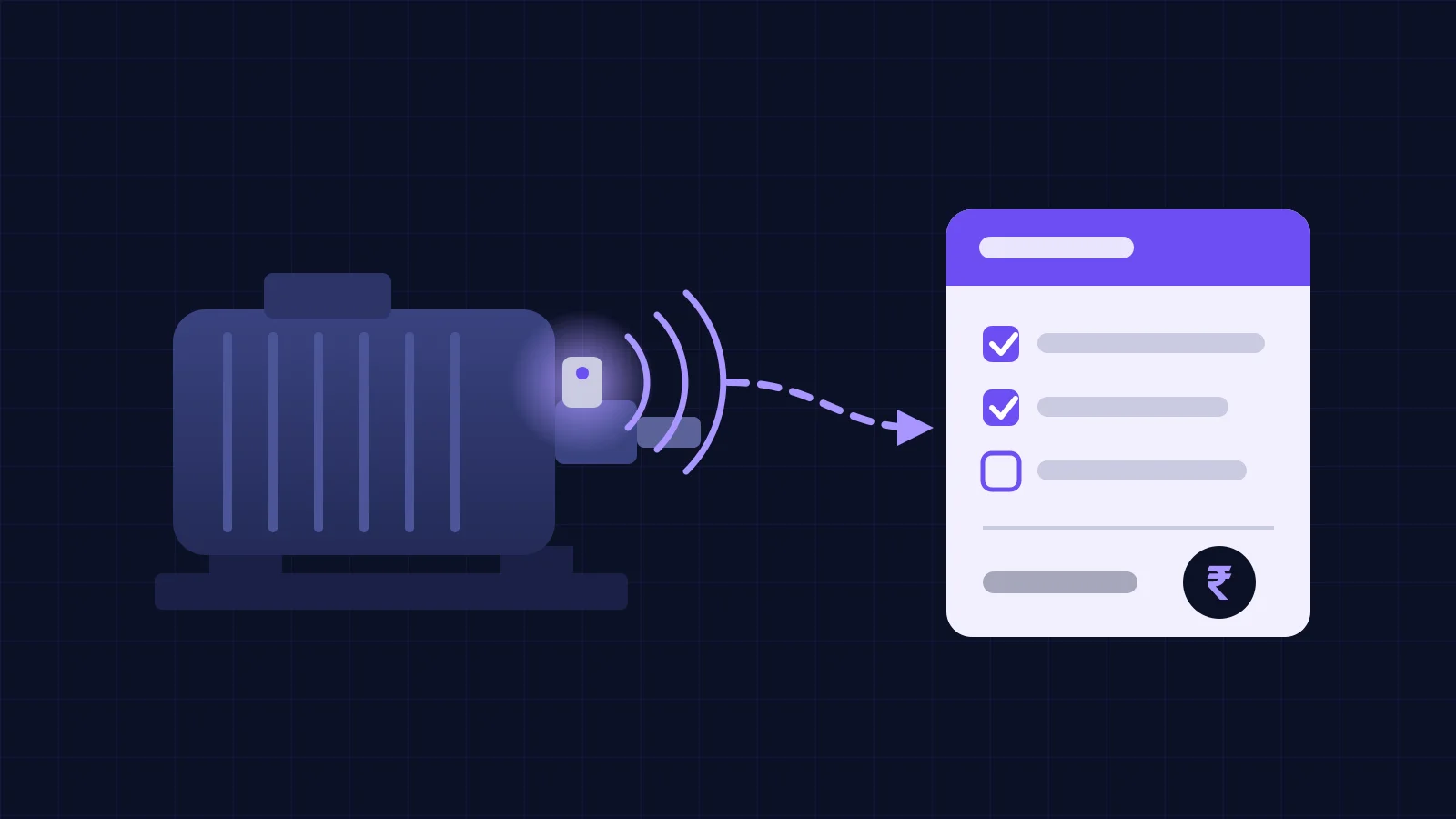
A model that raises an alert into a void is worse than no model. If there's no named person who receives the alert, decides what to do, and closes the loop, the pilot becomes a screen nobody looks at. Once the pilot scales, that loop needs a record too: here's how a condition-monitoring alert becomes a work order in your ERP.
- "The system will email the maintenance group" is not ownership. Shared inboxes are where alerts go to be ignored.
- Assign one reliability engineer to triage every alert during the pilot, and give them a simple way to mark each one right or wrong.
Failure 4: Expecting Predictions on Day One
Predictive models need to see a machine's normal running signature before they can flag what's abnormal. A pilot that's judged in week two, before the model has learned the baseline, gets written off unfairly.
- Give the pilot a realistic window, typically a few months, so the model observes normal operation across load and seasonal variation.
- Use the early weeks to validate data quality and sensor placement, not to judge predictive accuracy.
A Pilot Scope That Actually Works
Put the four fixes together and a good pilot looks like this:
- 5 to 15 high-criticality assets, chosen because their failure is expensive, not because they were convenient.
- A documented 12-month baseline of failures and downtime for exactly those assets.
- One named owner for alert triage, with a right/wrong feedback loop.
- A defined window and success metric agreed by maintenance and finance before go-live.
How Vexron and VMI-1 Fit In
Vexron is built for exactly this shape of pilot. Under the hood, our VMI-1 model learns each machine's normal vibration, temperature and power signature, then flags the deviations that precede failure. It also tells the engineer which signal triggered the alert, so it can be verified rather than blindly trusted. We deliberately start narrow, on the handful of assets where a catch pays for the whole deployment, then expand once the baseline comparison makes the value undeniable.
Thinking about a pilot?
Run the numbers on what unplanned downtime is costing you first, then talk to us about scoping a pilot around your most critical assets.
Downtime cost calculatorExplore Vexron