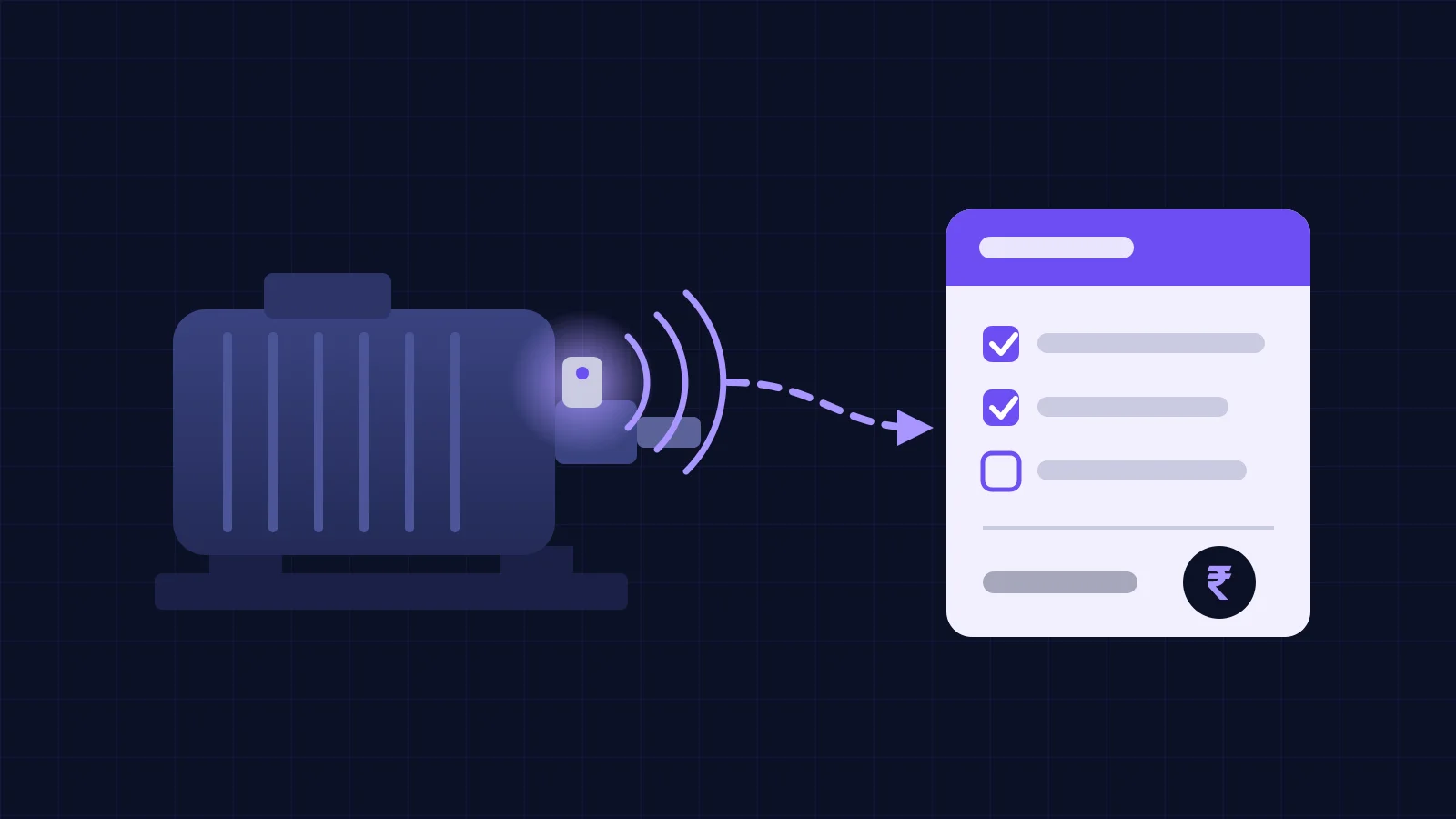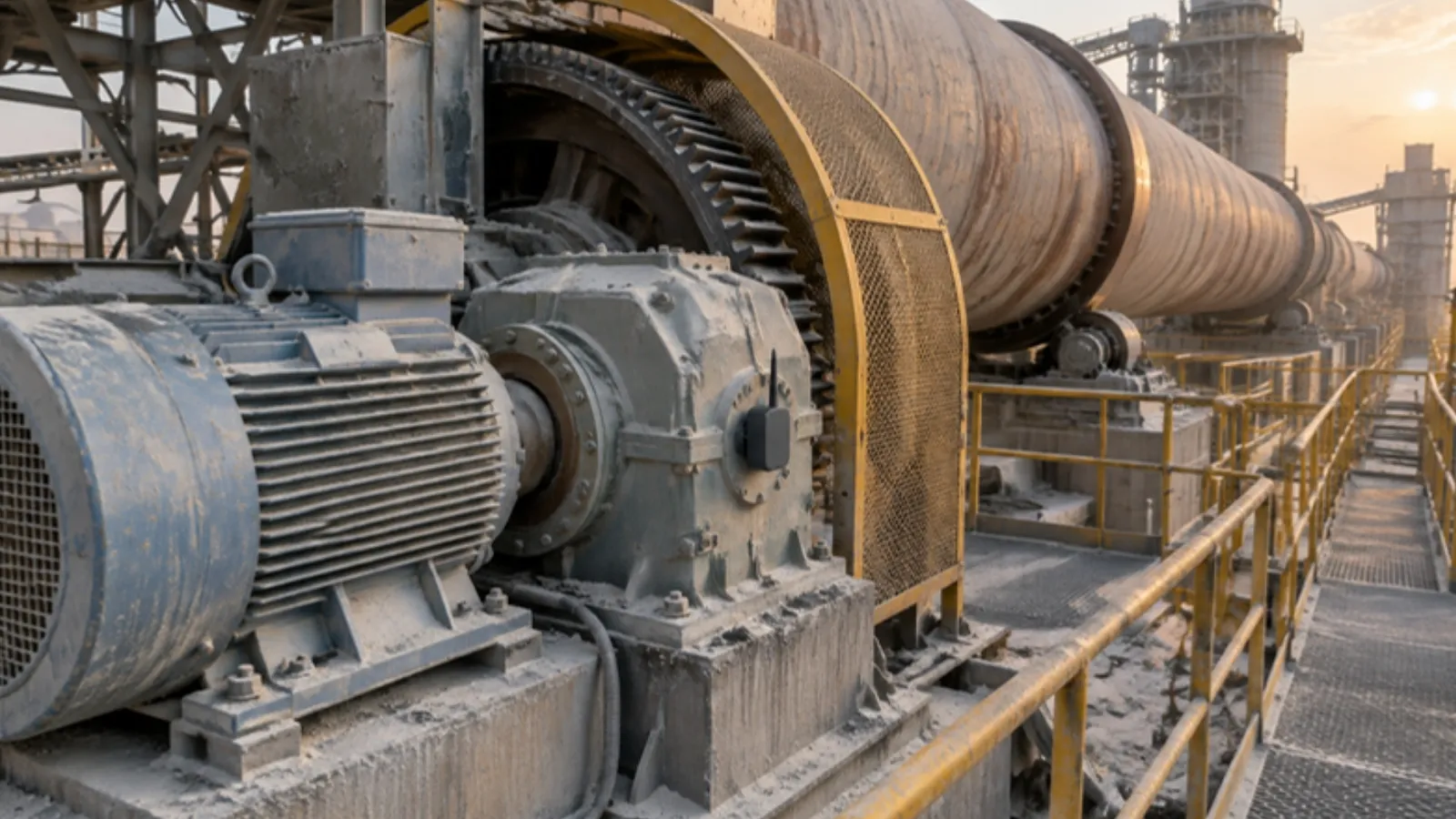



"What's the ROI?" is usually the first question a plant manager asks before signing off on a predictive maintenance project, and it's a fair one. Sensors, integration work, and a new dashboard all cost real money. Here's where the payback actually comes from, and how to put a real number on it for your own operation.
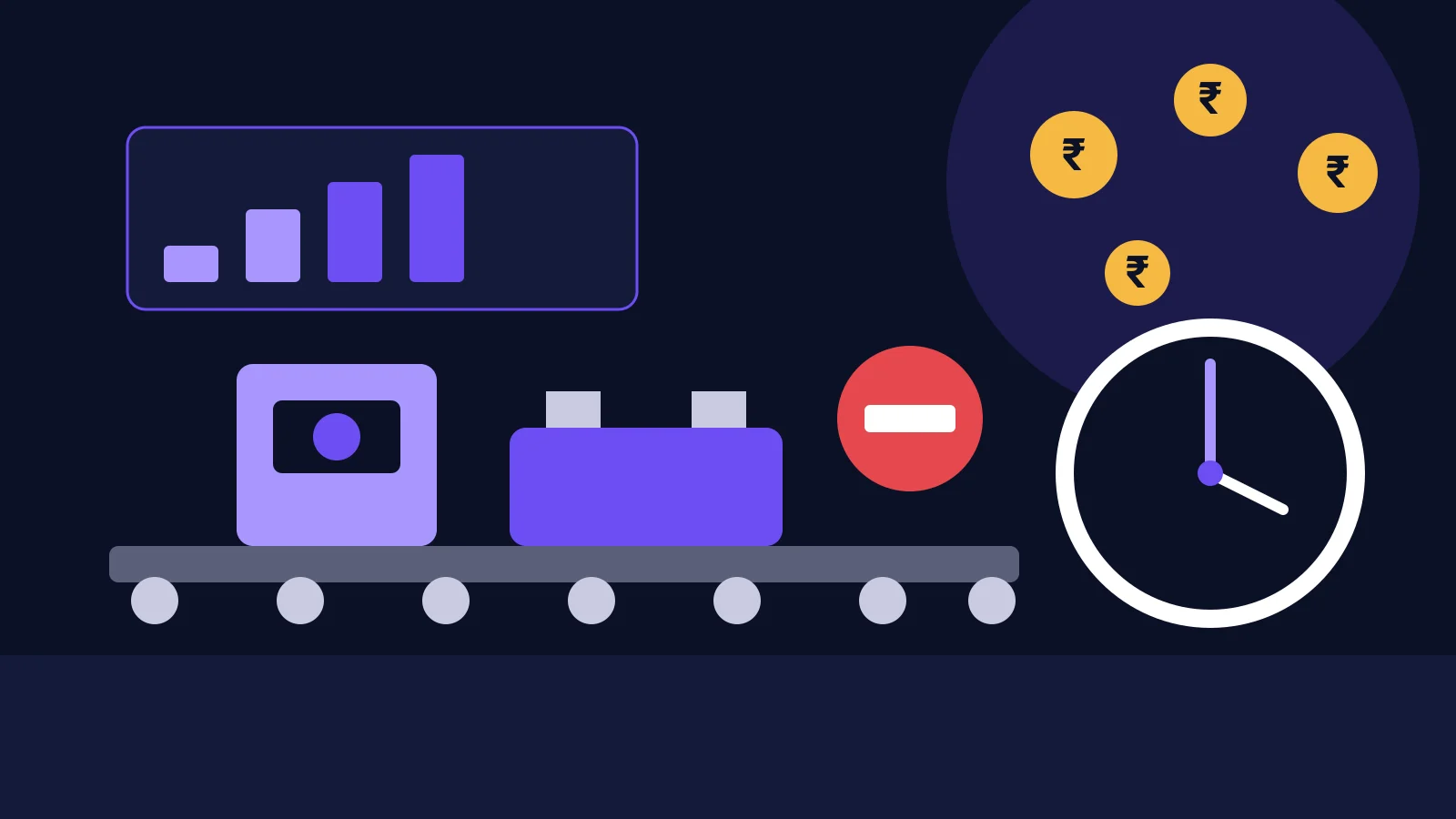
The Real Cost of Unplanned Downtime
Most plants underestimate this number because they only count the obvious line items. A full accounting usually includes:
- Lost production: the output that didn't happen while the line was down, valued at your actual margin per unit.
- Emergency repair costs: rush parts, overtime labor, and expedited shipping cost more than the same repair done on a planned schedule.
- Secondary damage: a bearing that fails catastrophically often takes a shaft, coupling, or motor with it, turning a small repair into a large one.
- Missed delivery penalties: contractual costs when an unplanned stop pushes a shipment past its committed date.
What Goes Into an ROI Calculation
A defensible predictive maintenance business case compares two numbers over the same period, typically a year:
- Cost avoided: historical unplanned-downtime hours × your cost per hour of downtime, adjusted for how many of those events a predictive system would realistically have caught early.
- Cost added: sensors and installation, the software subscription, and the engineering time to integrate it with what you already run.
Split the cost added into what you pay once (sensors, installation, integration) and what you pay every year (subscription, upkeep). Then two formulas answer the two questions a plant manager asks:
- Payback period = one-time cost ÷ yearly net saving, where yearly net saving = cost avoided per year minus the yearly running cost. It tells you how long until the project has paid for itself.
- Return multiple = (cost avoided minus cost added) ÷ cost added, over the same period. It tells you how many times over the spend comes back. It is a different number, so don't quote one as the other.
A Worked Example (Illustrative Numbers)
These figures are made up to show the arithmetic. They are not from a client and not a promise of what you will see.
| Line | Amount |
|---|---|
| Cost avoided per year | ₹30 lakh |
| Yearly running cost | ₹6 lakh |
| Yearly net saving (30 − 6) | ₹24 lakh |
| One-time cost | ₹12 lakh |
| Payback period (12 ÷ 24) | 0.5 years, about 6 months |
| First-year return multiple ((30 − 18) ÷ 18) | About 0.67 |
In this example the project pays for itself in about six months. In the first year, every ₹1 spent brings back about ₹1.67 in avoided cost, a return multiple of about 0.67. If the cost avoided is small next to the one-time cost, the payback stretches out, and that asset may be better left on a preventive schedule.
Try It Yourself
The hardest number to pin down is the cost avoided, so we built a free downtime cost calculator for that side of the sum. You enter your output per hour, margin per unit, breakdowns per year, hours per breakdown and idle labour cost per hour. It gives the yearly cost of unplanned downtime and the share that is realistically avoidable. It assumes condition monitoring prevents 40% of unplanned stoppages, because it catches mechanical faults such as bearing wear, not power cuts or material shortages. It takes about a minute and needs no sign-up. Add your own one-time and yearly costs from a quote to get the payback. To see what the cost per hour should include, read our line-by-line downtime cost example.
Work out what downtime is costing you
Where the Payback Actually Comes From
In our experience, the return rarely comes from one dramatic saved-the-day moment. It comes from three smaller, compounding effects: fewer unplanned stops because early warnings give maintenance teams time to act, less over-maintenance because healthy parts aren't swapped on a fixed schedule, and longer equipment life because problems get caught before they cause secondary damage. None of those show up as a single line item, which is exactly why it's worth running the numbers rather than guessing.
Want the platform behind the numbers?
See how Vexron turns sensor data into the alerts that avoid these costs.
Explore Vexron