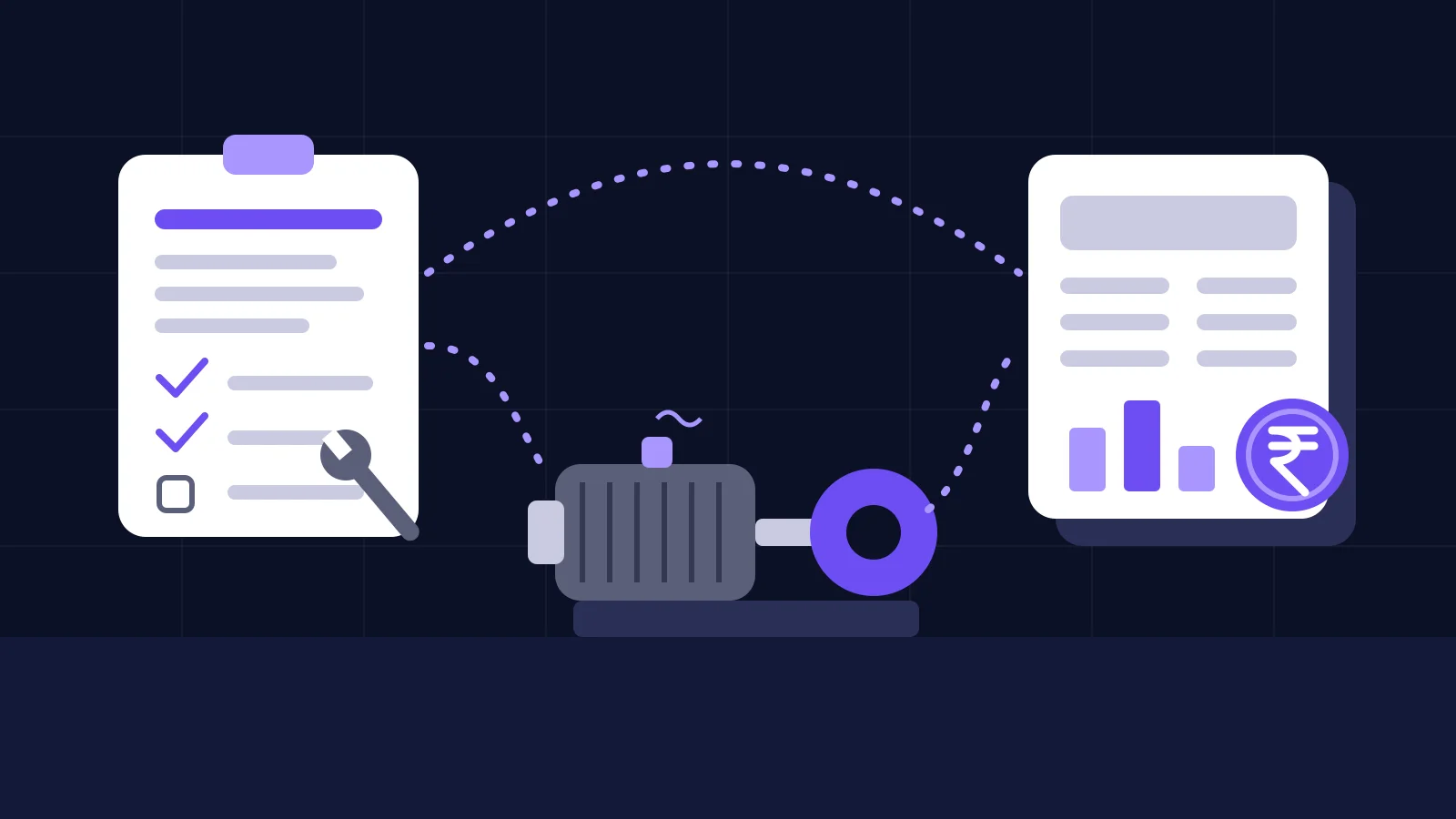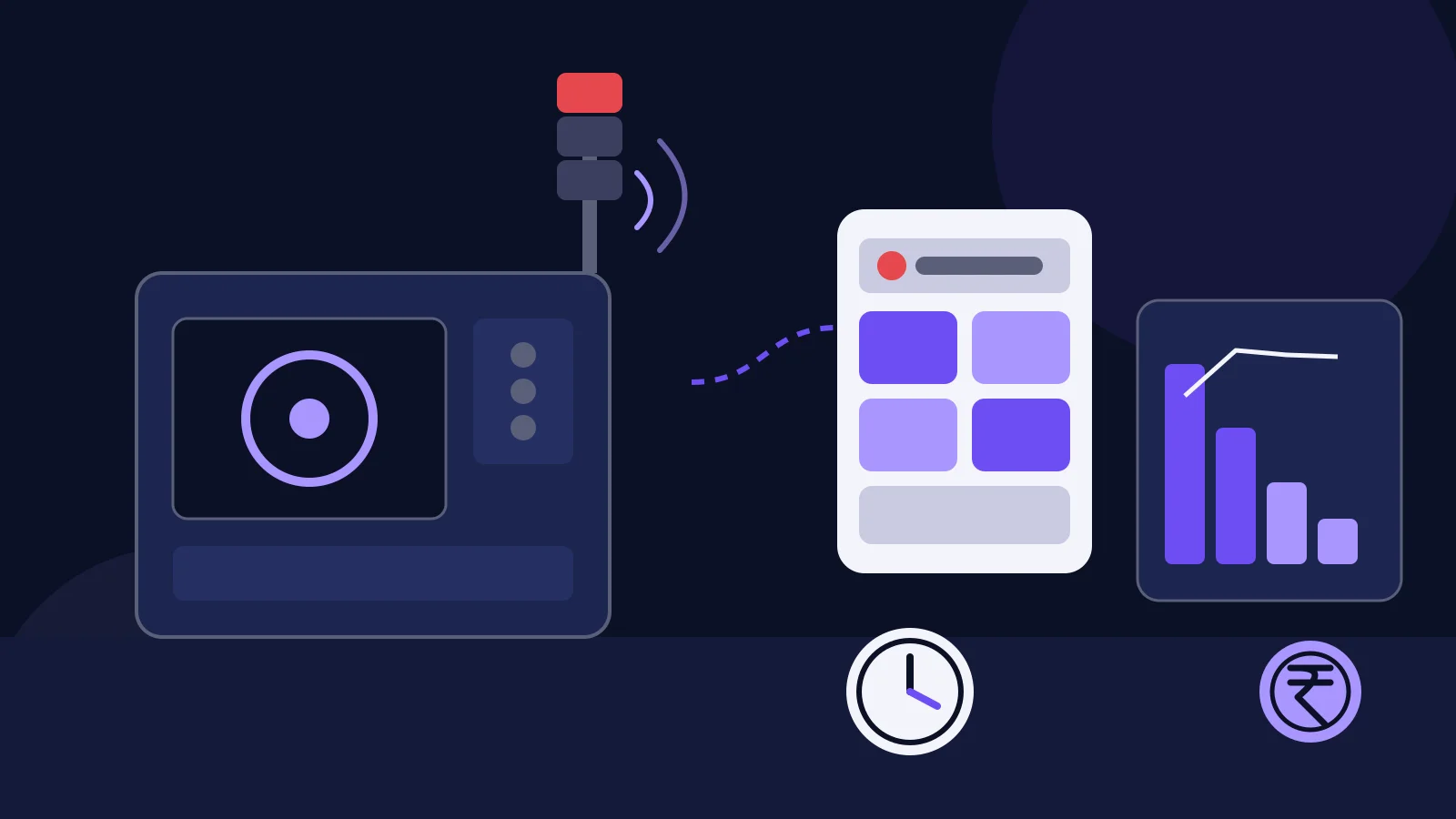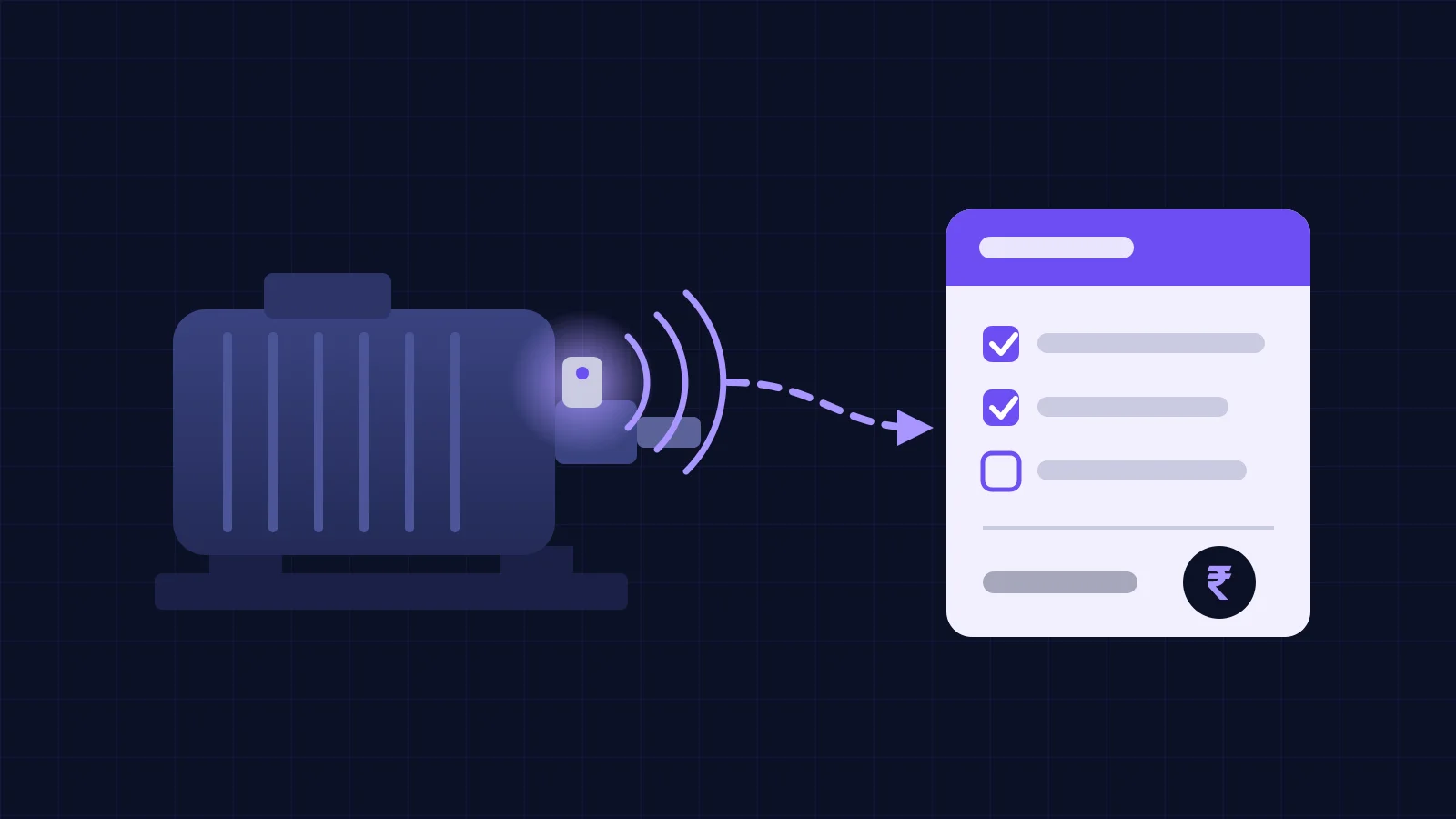


One of the most common objections to predictive maintenance is "our machines are too old for that." It's almost always wrong. A machine doesn't need a digital brain to be monitored. It needs a sensor bolted to the right spot and a way to get the data off the floor. Retrofitting IoT sensors onto decades-old equipment is routine, and it's how most Indian plants start with condition monitoring.
Why Old Machines Are Fine to Monitor
Vibration, temperature and current don't care how old a machine is. A bearing on a 25-year-old motor fails with the same physics as one on a new motor, and the warning signs show up in exactly the same signals. The age of the machine doesn't change the measurement. It only changes how you mount the sensor. The same goes for the cameras a plant already has: you can add AI to existing CCTV cameras without replacing them.
What You Actually Need to Add
A retrofit is usually three parts, none of which touch the machine's own controls:
- Sensors: vibration and temperature sensors mounted externally on bearing housings, gearboxes or motor casings.
- A gateway: a small edge device that collects sensor data and sends it on, over wired or wireless links.
- Somewhere for the data to go: a platform that stores, trends and analyses it. That's where Vexron comes in.
None of this requires modifying the machine's wiring or control system. The sensors sit on the outside; the machine keeps running exactly as it did.
Sensor Placement Is the Whole Game
A retrofit lives or dies on where the sensors go. Bad placement gives noisy data that buries the signal you care about.
- Mount on a rigid part of the bearing housing, in line with the load zone, not on a flimsy cover or guard.
- Measure in the direction the fault will show: radial for most bearing and imbalance issues, axial for alignment.
- Don't mount on painted, loose or resonant surfaces. The reading will reflect the mount, not the machine.
Wired or Wireless?
Both work; the choice is about the environment, not the machine's age. For frequency range, environment rating and the other specs to check, see our guide to choosing industrial IoT sensors.
- Wireless sensors: fastest to install, no cable runs, ideal for scattered or hard-to-reach assets. Watch battery life and signal in metal-dense areas.
- Wired sensors: best for critical assets you sample continuously, or where wireless is unreliable. More install effort, rock-solid data.
Start Small, Prove It, Expand
The mistake is trying to instrument the whole plant at once. Retrofit a handful of critical machines first, prove the value against your failure history, then expand. It's the same disciplined scoping we cover in why most predictive maintenance pilots fail. Our vibration monitoring system page shows how that kind of rollout runs, step by step.
How Vexron Handles Retrofits
Vexron is designed to work with the sensors and SCADA tags you already have or add, rather than forcing a full hardware stack. Its VMI-1 model learns each retrofitted machine's normal signature from scratch, so a 25-year-old motor gets the same fault detection as a new one. Bearing wear, misalignment and imbalance are flagged early, with the triggering signal shown.
Wondering which machines to retrofit first?
We'll help you pick the assets where a retrofit pays for itself, then scope the sensors and gateway around them.
Explore VexronTalk to our team