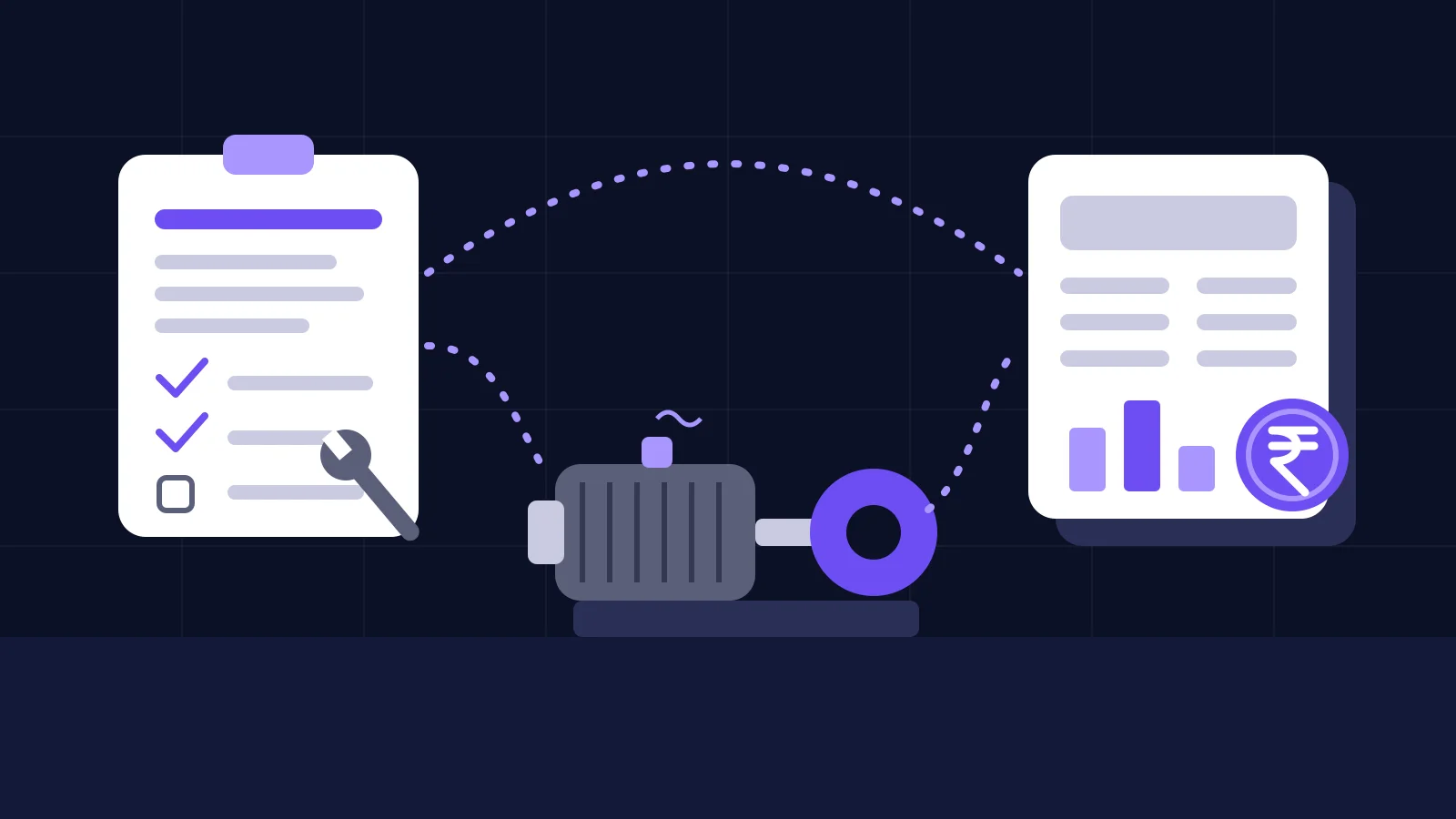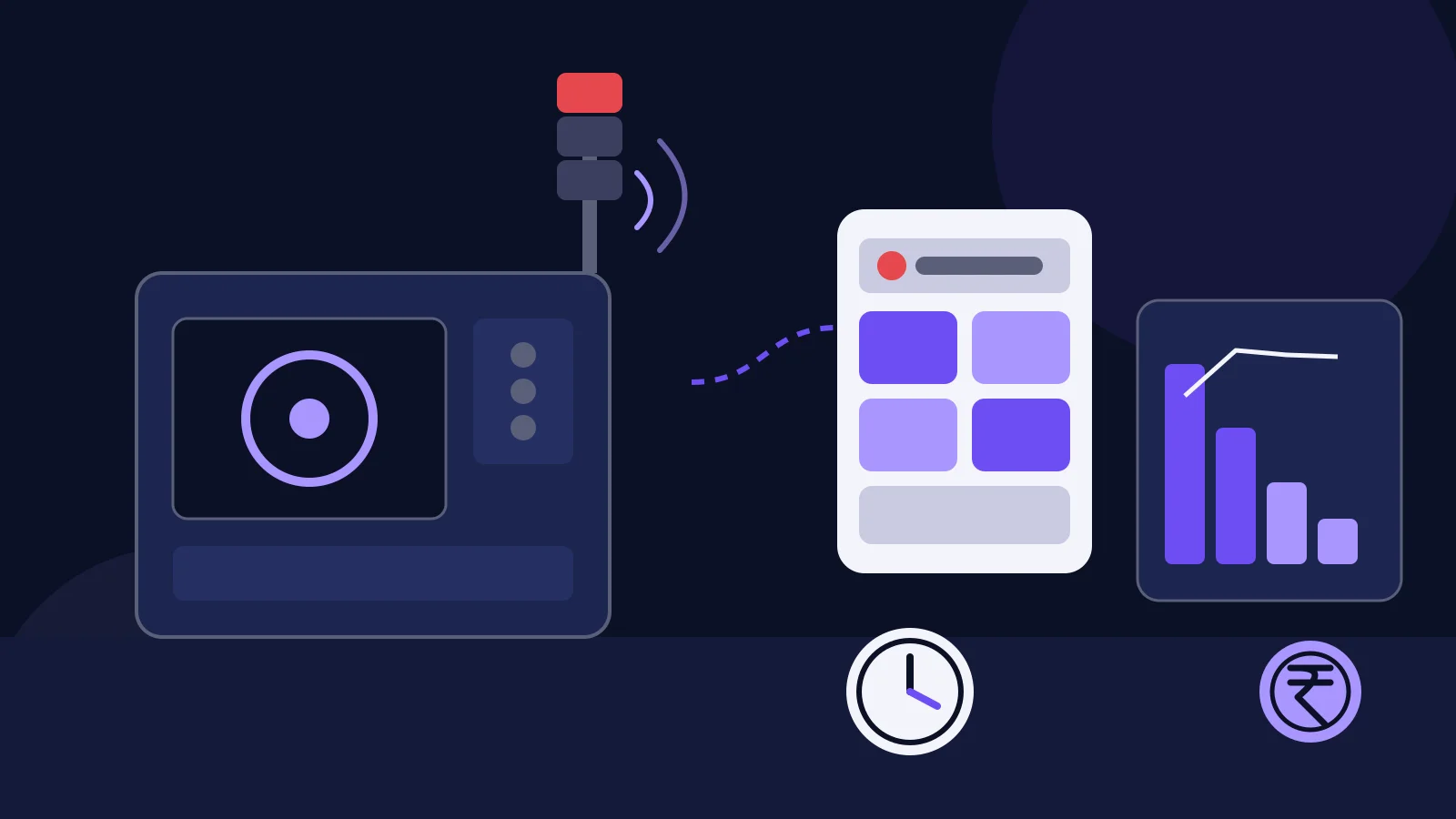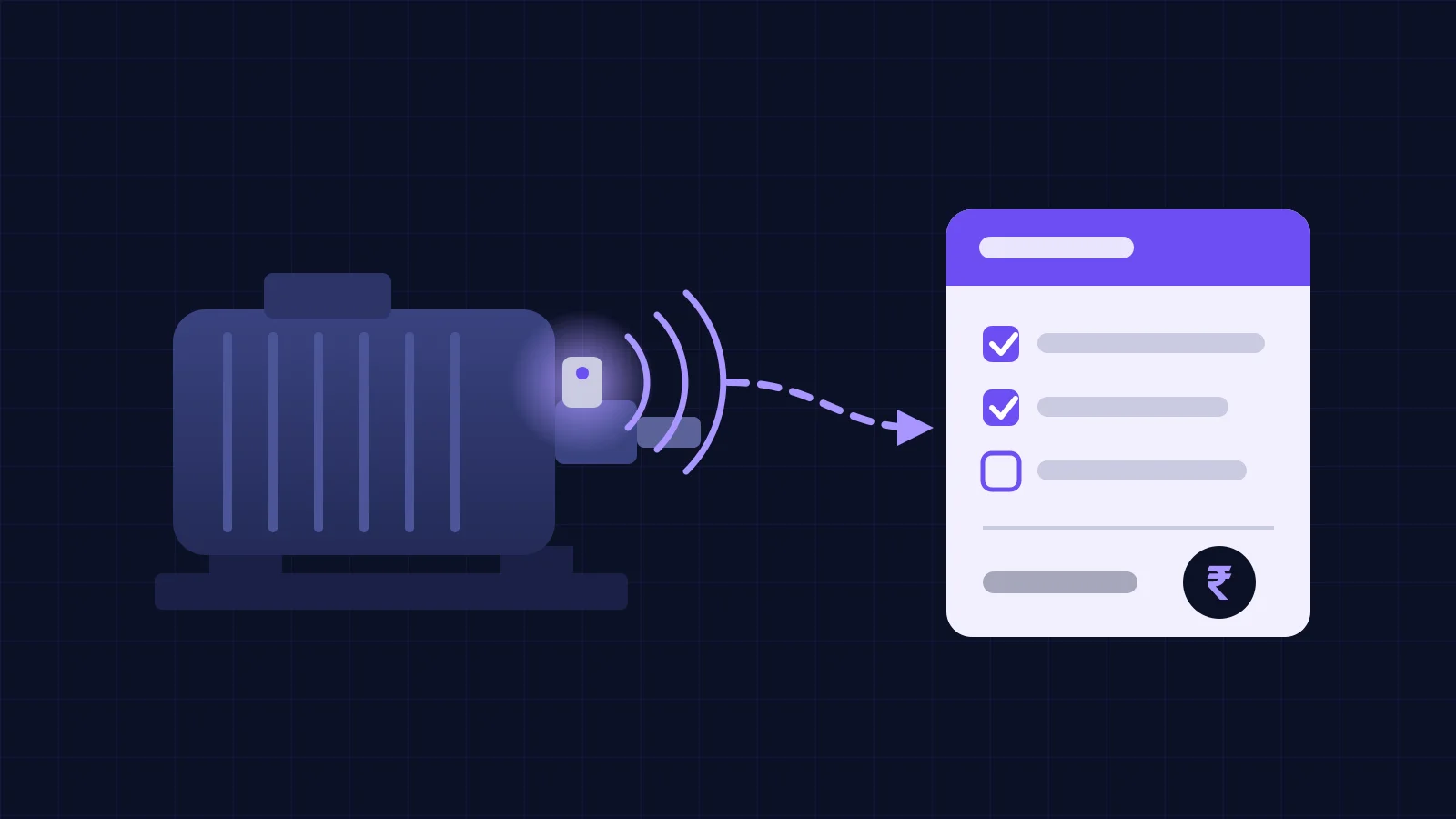



A condition-monitoring project succeeds or fails at the sensor. Pick the wrong type, or mount a good one badly, and the model downstream is reading noise. This is a plain-language guide to choosing industrial IoT sensors for the assets that actually matter on your plant.
Match the Sensor to the Failure Mode
Don't start from the sensor catalogue. Start from how the asset fails, then pick what detects that:
- Vibration: the workhorse for rotating equipment. Catches bearing wear, misalignment, imbalance and looseness. First choice for motors, fans, pumps and gearboxes.
- Temperature: cheap and telling. Rising bearing or winding temperature is a strong secondary confirmation of trouble.
- Current / power: a motor's electrical signature reveals load and some mechanical faults without touching the shaft.
- Acoustic / ultrasonic: good for early bearing faults, leaks and electrical discharge, often before vibration shows it.
Specs That Actually Matter
- Frequency range: a vibration sensor must cover the fault frequencies you care about (bearing defect bands sit high).
- Mounting and environment rating: the sensor has to survive plant heat, dust and washdown, and mount rigidly on the asset.
- Sampling and reporting rate: continuous vs periodic changes what you can catch; fast-developing faults need frequent data.
Wired vs Wireless
Neither is "better". It depends on the asset and the environment. Wireless sensors install fast with no cable runs and suit scattered assets, but watch battery life and signal in metal-dense areas. Wired sensors are the choice for the most critical assets and continuous high-rate sampling. We go deeper on this in retrofitting sensors on older machines.
Don't Buy Sensors in Isolation
A sensor is only useful once its data reaches software that interprets it. Plan the whole path (sensor to gateway to platform) up front. Our vibration monitoring system page shows that path for motors, pumps, fans and gearboxes. That is exactly the layering covered in what actually feeds your ERP. And once you have readings, our vibration threshold lookup helps you interpret a velocity against ISO 10816 zones.
If no standard sensor fits an asset, a custom device is an option. Our post on IoT product engineering, from PCB to cloud covers the board, firmware, connectivity and cloud parts.
How Vexron Fits
Vexron is sensor-agnostic by design. It works with the sensors and data you already have or add, rather than locking you to one vendor's hardware. Under it, the VMI-1 model turns those raw signals into ranked, explainable fault alerts. If you're weighing a software-first approach against a hardware ecosystem, see Vexron vs SKF.
Choosing sensors for your assets?
Tell us the machines you want to monitor and we'll recommend the sensor types and placement, plus the platform to read them.
Industrial IoTExplore Vexron